Introduction
Ask any teacher what’s changed in the last five years, and you’ll probably get a long sigh before an even longer answer. The future of education 2026 isn’t some far-off sci-fi concept anymore — it’s happening in the classroom down the street, in the coaching institute your neighbour’s kid attends, and on the phone screen of pretty much every student you know. I’ve spent a fair bit of time talking to teachers and students while researching this piece, and one thing stood out: the changes aren’t always the flashy ones you’d expect.
AI Isn’t Replacing Teachers — It’s Changing Their Job Description
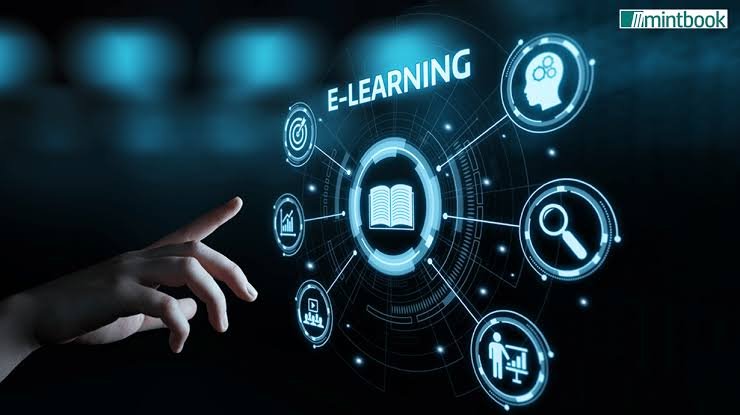
Future of education 2026 conversations always start with AI, and honestly, that’s fair. But here’s the thing — AI tools are mostly helping teachers grade faster, create practice questions, and personalise homework, not replace the human in the room.
A teacher in Jaipur told me she now spends less time making worksheets and more time actually talking to struggling students one-on-one. That’s a real shift, not a marketing pitch.
Skill-Based Learning Is Finally Getting Serious Attention
Direct answer: In 2026, Indian schools and colleges are increasingly blending academic subjects with practical skills like coding, financial literacy, and communication — a response to employers repeatedly saying degrees alone aren’t enough anymore.
This isn’t new in theory. NEP 2020 talked about it years ago. What’s different now is implementation — vocational subjects are showing up as electives even in Class 9 and 10 in several states.
Hybrid Classrooms Are Becoming the Norm, Not the Exception
Remember when “online class” meant a shaky video call during the pandemic? That’s gone. What’s replaced it is smarter — recorded lectures paired with live doubt-clearing sessions, and attendance that doesn’t depend on being physically present.
- Schools are investing in smart boards, not just projectors
- Colleges are recording lectures by default for revision
- Some coaching institutes now offer a “watch later” option as standard
It’s not perfect. I’ve noticed some students use recordings as an excuse to skip live classes altogether, which honestly isn’t great for discipline.
Mental Health Is Part of the Curriculum Now
This one snuck up on a lot of parents. Schools are adding counsellors, stress-management sessions, and even meditation periods — something that would’ve seemed unnecessary a decade ago.
Direct answer: By 2026, mental health support in Indian education has moved from optional to expected, with CBSE and several state boards mandating counsellor access and wellness periods in school timetables.
Personalised Learning Paths Using Data
Adaptive learning platforms track where a student is weak and adjust the difficulty of questions automatically. It sounds a bit clinical, but in practice it just means less time wasted on topics a student has already mastered.
[link to related guide about digital learning tools for students here]
Global Exposure Without Leaving Home
Virtual exchange programs, online guest lectures from foreign universities, and international online certifications are giving Indian students a taste of global education without the visa hassle.
- Students can now audit Ivy League courses online for free or low cost
- Cross-border group projects are becoming common in higher ed
- Language learning apps are being integrated into school curricula
Assessment Is Moving Beyond the Final Exam
Continuous assessment, project-based grading, and portfolio submissions are slowly reducing the do-or-die pressure of one final paper. Is this a complete fix? Not really — board exams still matter a lot. But it’s a start.
FAQ
Q: Will AI replace teachers by 2026? No. AI is handling repetitive tasks like grading and content creation, but teaching still needs human judgment, empathy, and classroom management — things AI simply can’t do yet.
Q: What is the biggest change in the future of education 2026? The shift toward skill-based, hybrid learning combined with mental health support stands out the most, according to most educators I spoke with.
Q: Are Indian schools ready for AI-based tools? Urban private schools are ahead here. Government and rural schools are catching up slower, mostly due to infrastructure and training gaps.
Q: Is online learning as effective as classroom learning? It depends on the subject and the student’s discipline. Practical subjects still benefit from in-person interaction, while theory-heavy subjects work fine online.
Q: How is NEP 2020 influencing 2026 trends? NEP’s push for multidisciplinary and skill-based education is a major driver behind the vocational subjects and flexible curricula we’re seeing now.
Conclusion
The future of education 2026 isn’t one single dramatic shift — it’s a bunch of smaller, practical changes adding up. AI tools, skill-based learning, mental health support, and hybrid classrooms are reshaping how students actually learn, not just where they sit while learning it. If you’re a student or parent trying to keep up, the smartest move is to stay curious about these tools rather than resist them. Explore one new learning platform this month and see how it fits into your routine — you might be surprised.
Alt text suggestions:
- “Indian classroom with smart board showing AI-based learning tools in 2026”
- “Student using laptop for hybrid online and offline learning”
- “Teacher and student discussing personalised learning path on tablet”